Donate to our Wildlife Sanctuary and Rescue Center and help support the important work we’re doing to rehabilitate and rewild these animals, strengthen the ecosystem and reinforce the fight against illegal trading.
DonateOur camera traps recently caught a wonderful sighting: a wild puma (Puma concolor) moving through Minga Reserve. During three years of monitoring, we've documented a wide diversity of mammals, including coatis, kinkajous, tayras, agoutis, pacas, armadillos, raccoons, squirrels, brocket deer, primates such as squirrel monkeys and tamarins, and other ones. Among the larger predators, we've also recorded ocelots — and now, this exciting new addition to the list.
The record was obtained using two camera traps deployed over several weeks in the Reserve. Based on the images, it looks like two adult male pumas passed through the site — one with a distinctive kinked tail. Interestingly, similar tail traits have been noted in some isolated puma populations elsewhere, sometimes linked to reduced genetic diversity, though trauma or natural variation are equally possible explanations. It's a great example of why we're excited to keep monitoring and learning more about this individual and the wider population over time.
From a conservation perspective, this finding is very encouraging. As an apex predator, the puma is an important indicator of ecosystem integrity, requiring healthy prey populations and relatively intact habitats. Although the species ranges from Canada to Patagonia and is classified as Least Concern (LC) by the IUCN, it is considered Vulnerable (VU) in Ecuador due to habitat fragmentation, hunting pressure, and increasing human-wildlife conflict.
Pumas are remarkably adaptable and elusive animals, rarely observed even where they occur. In the Ecuadorian Amazon they prey on deer, peccaries, pacas, agoutis, porcupines (Coendou spp.), armadillos, primates, and other medium-sized mammals, playing a key role in regulating prey populations. Unlike jaguars, pumas cannot roar; instead, they communicate through whistles, chirps, growls, and screams. Adult males typically occupy home ranges ranging from approximately 140 to over 300 km², depending on prey availability, habitat quality, and landscape connectivity, highlighting the importance of maintaining large, connected forest landscapes. They are also capable of dispersing over hundreds of kilometers, making landscape connectivity essential for maintaining gene flow between populations and reducing the risk of inbreeding.
Overall, this sighting is a wonderful piece of good news for Minga Reserve and encouraging evidence that our conservation efforts are maintaining habitat capable of supporting one of the Amazon's top predators. We're excited to keep expanding our camera trap network and can't wait to share more updates like this one.
The record was obtained using two camera traps deployed for less than four weeks, approximately 10 m from the Ceibo tree (the ones that we put for the tortoise release with Alpha School). Based on the images, it appears that two adult male pumas passed through the site. One individual presents an apparently kinked or malformed tail. This is especially interesting because a recent study on isolated puma populations in Southern California reported similar tail deformities as one of several traits associated with reduced genetic diversity and inbreeding, although trauma or developmental abnormalities remain possible explanations. While we cannot determine the cause from camera trap images alone, this observation highlights the value of continued long-term monitoring and, eventually, genetic analyses to better understand the health and connectivity of the local population.
From a conservation perspective, this finding is very encouraging. As an apex predator, the puma is an important indicator of ecosystem integrity, requiring healthy prey populations and relatively intact habitats. Although the species ranges from Canada to Patagonia and is classified as Least Concern (LC) by the IUCN, it is considered Vulnerable (VU) in Ecuador due to habitat fragmentation, hunting pressure, and increasing human-wildlife conflict.
Pumas are remarkably adaptable and elusive animals, rarely observed even where they occur. In the Ecuadorian Amazon they prey on deer, peccaries, pacas, agoutis, porcupines (Coendou spp.), armadillos, primates, and other medium-sized mammals, playing a key role in regulating prey populations. Unlike jaguars, pumas cannot roar; instead, they communicate through whistles, chirps, growls, and screams. Adult males typically occupy home ranges ranging from approximately 140 to over 300 km², depending on prey availability, habitat quality, and landscape connectivity, highlighting the importance of maintaining large, connected forest landscapes. They are also capable of dispersing over hundreds of kilometers, making landscape connectivity essential for maintaining gene flow between populations and reducing the risk of inbreeding.
Overall, this record represents an important milestone for Minga Reserve and provides encouraging evidence that our conservation efforts are maintaining habitat capable of supporting one of the Amazon's top predators. We are excited to continue expanding our camera trap network and hope this is the first of many future records.
Ecuador is home to 10% of the planet’s known species yet is also a source and transit country for illegal wildlife trafficking—particularly from the Amazonian provinces of Napo, Orellana, and Sucumbíos. Over 4,000 animals are seized annually. Weak enforcement in rural and indigenous territories coupled with poverty often lead locals to participate to earn income.
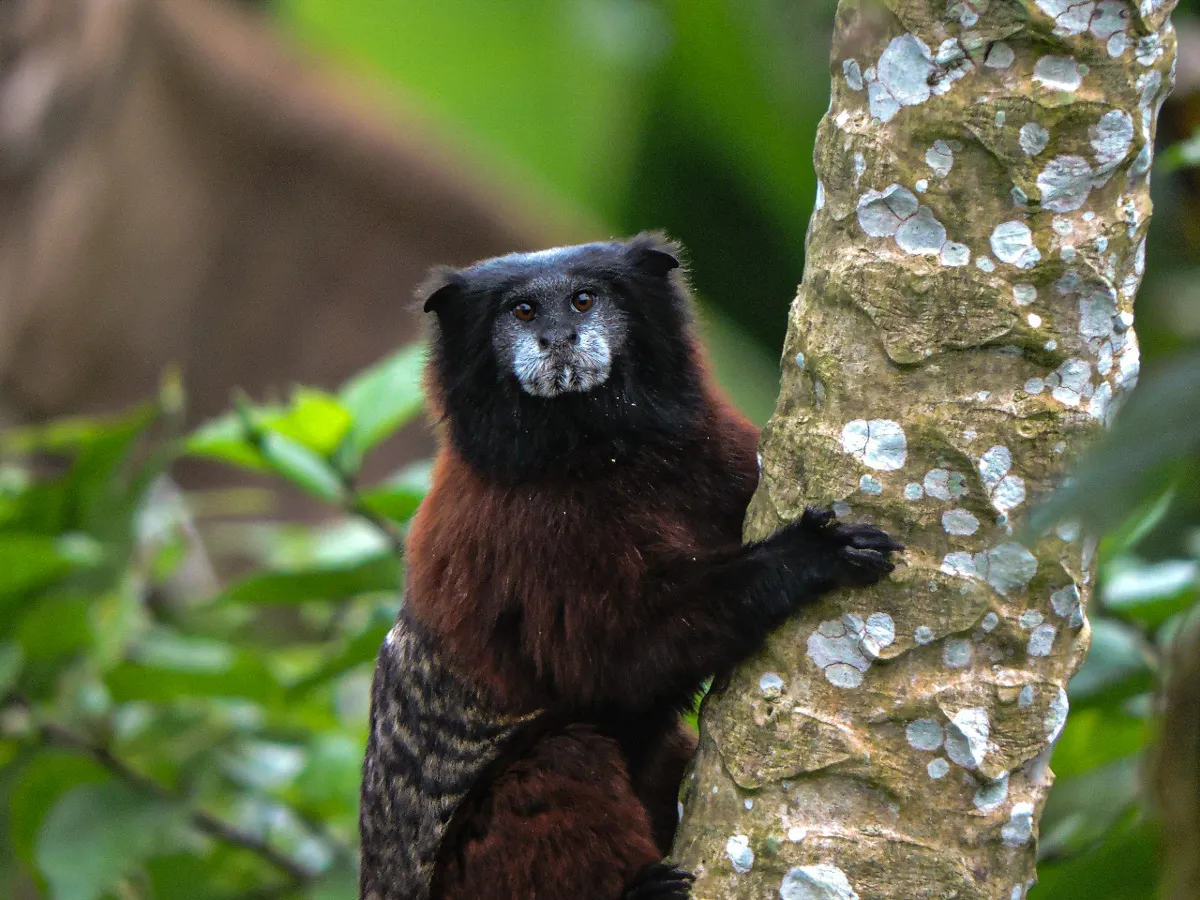
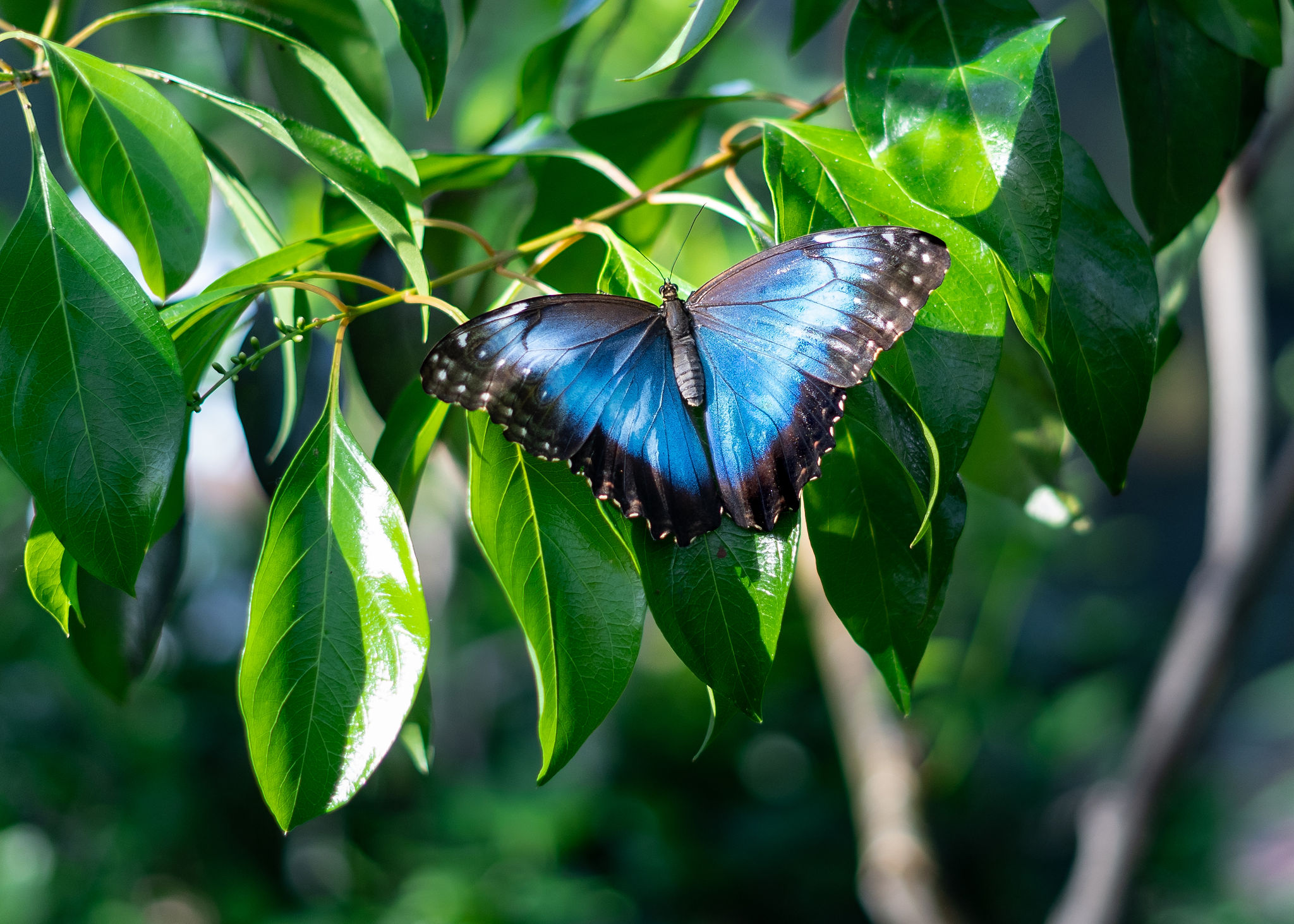
Wildlife rescue centers are not just shelters—they are life-saving interventions. The Minga Wildlife Sanctuary and Rescue Center helps in multiple ways: conservation, animal welfare, education, ecosystem restoration and collaborating with local communities and government to help raise public awareness and shape policy.
Across Ecuador, animals are still illegally trafficked or harmed by human activity. In partnership with government agencies and local ministries, our team steps in to help. Rescued or wounded wildlife are brought to us for medical care and recovery, where they begin the quiet process of rehabilitation and rewilding.
Some stay longer than others but, whenever possible, they are released back into their natural habitat. Each successful return strengthens local ecosystems and reinforces the fight against the illegal wildlife trade.
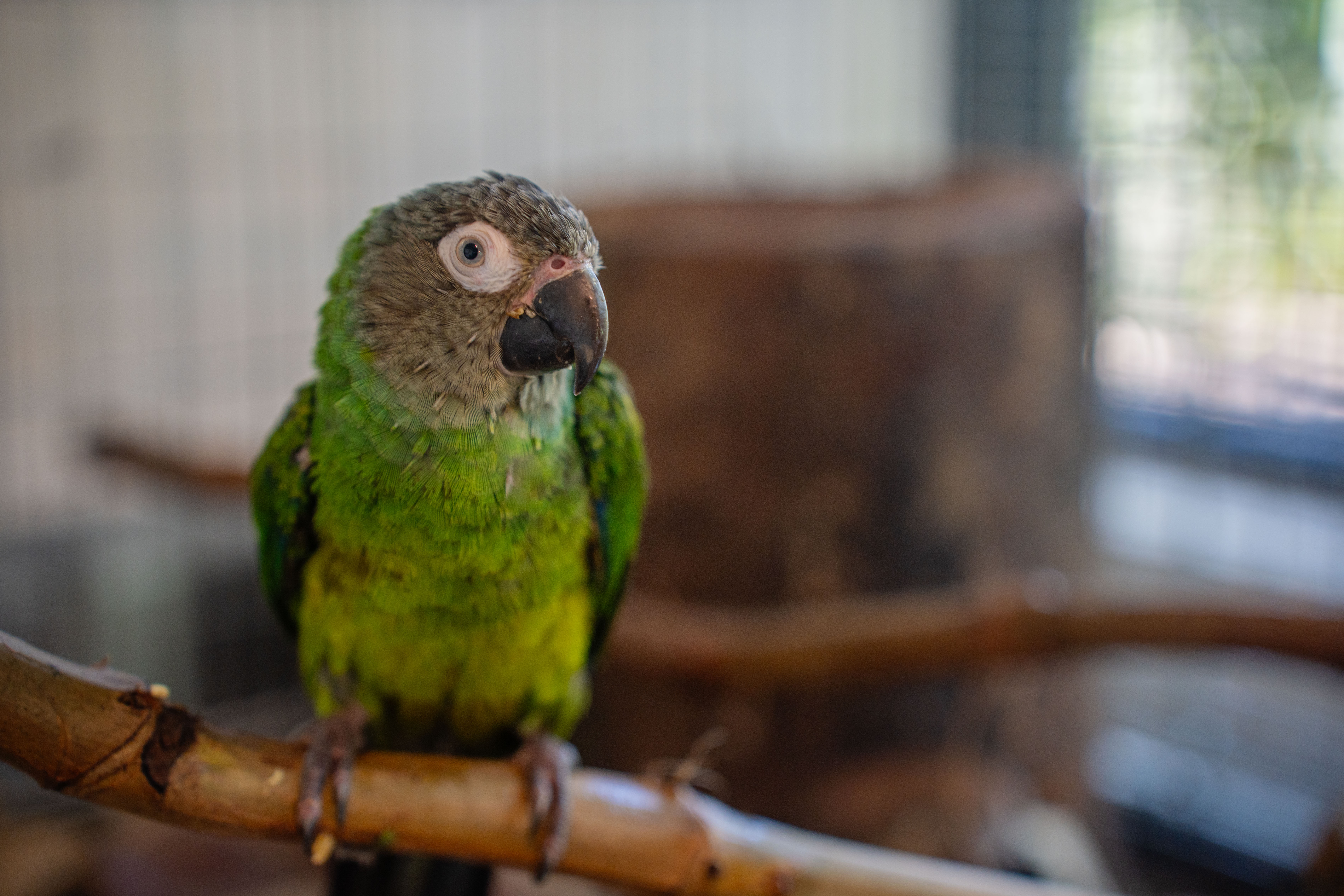

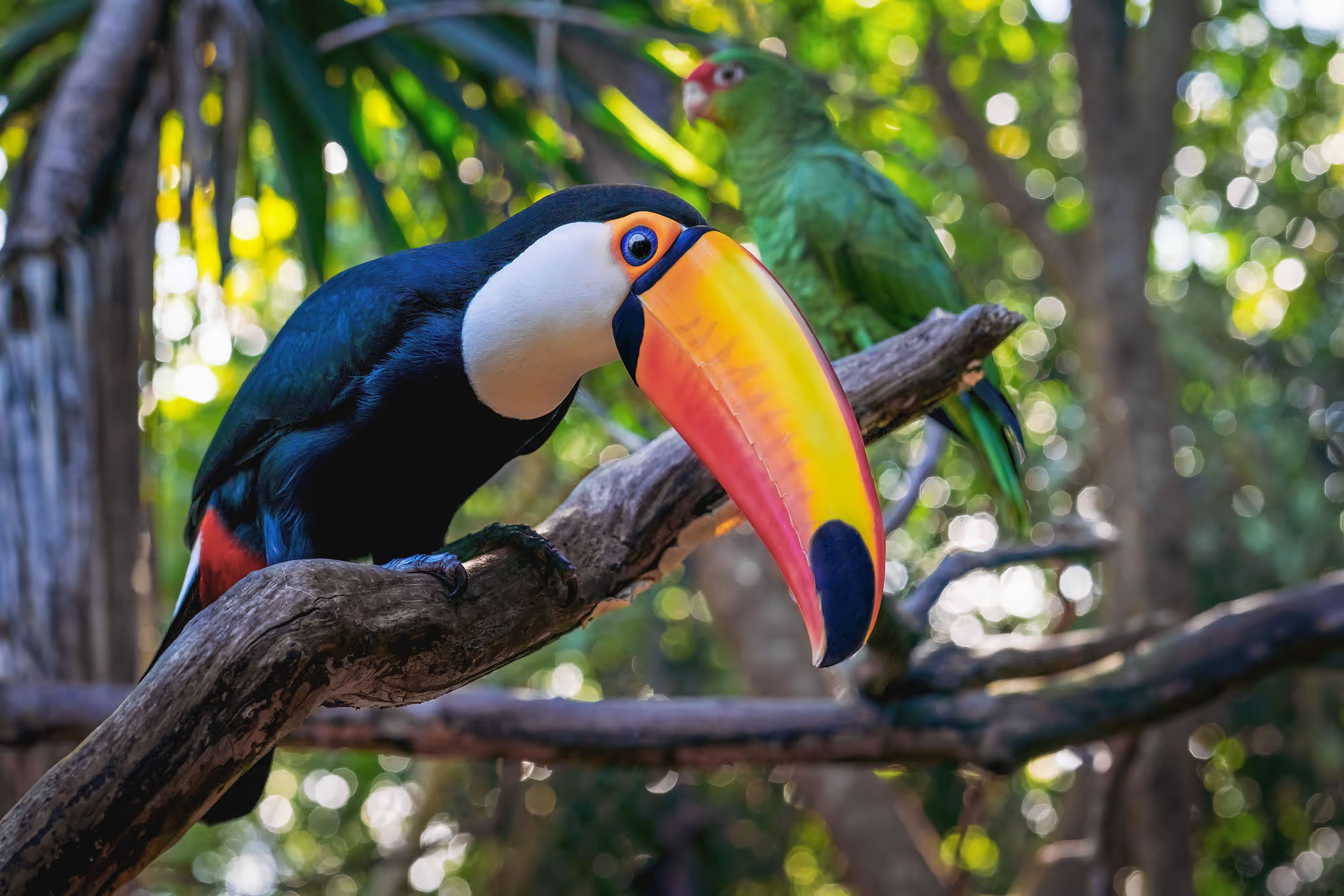
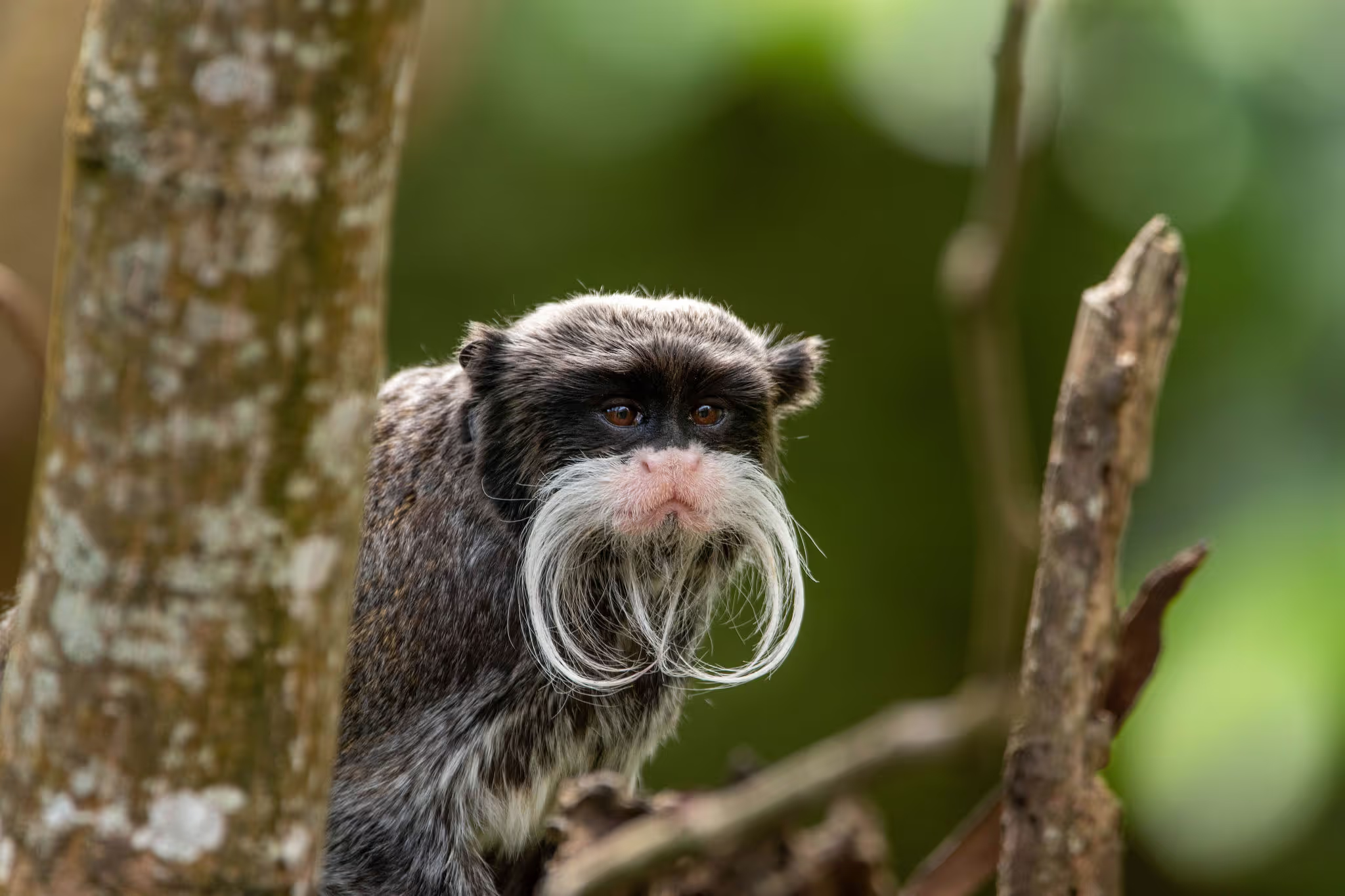
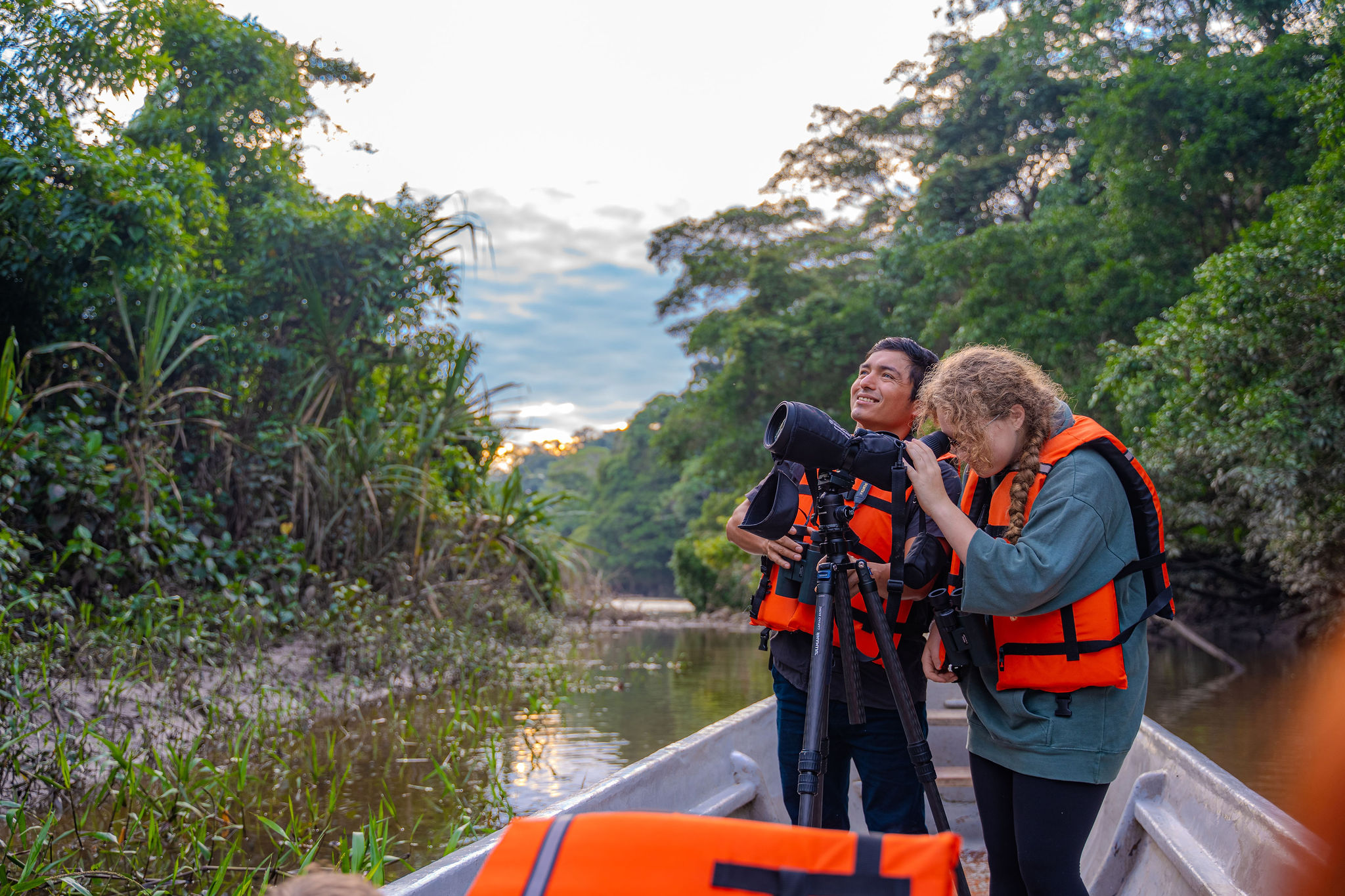

Work with our onsite vet and biologist as they care for rescued wildlife. Get to know the animals and the challenges they face. Learn how conservation in action is giving them a chance to survive—and thrive—in the rainforest once more.
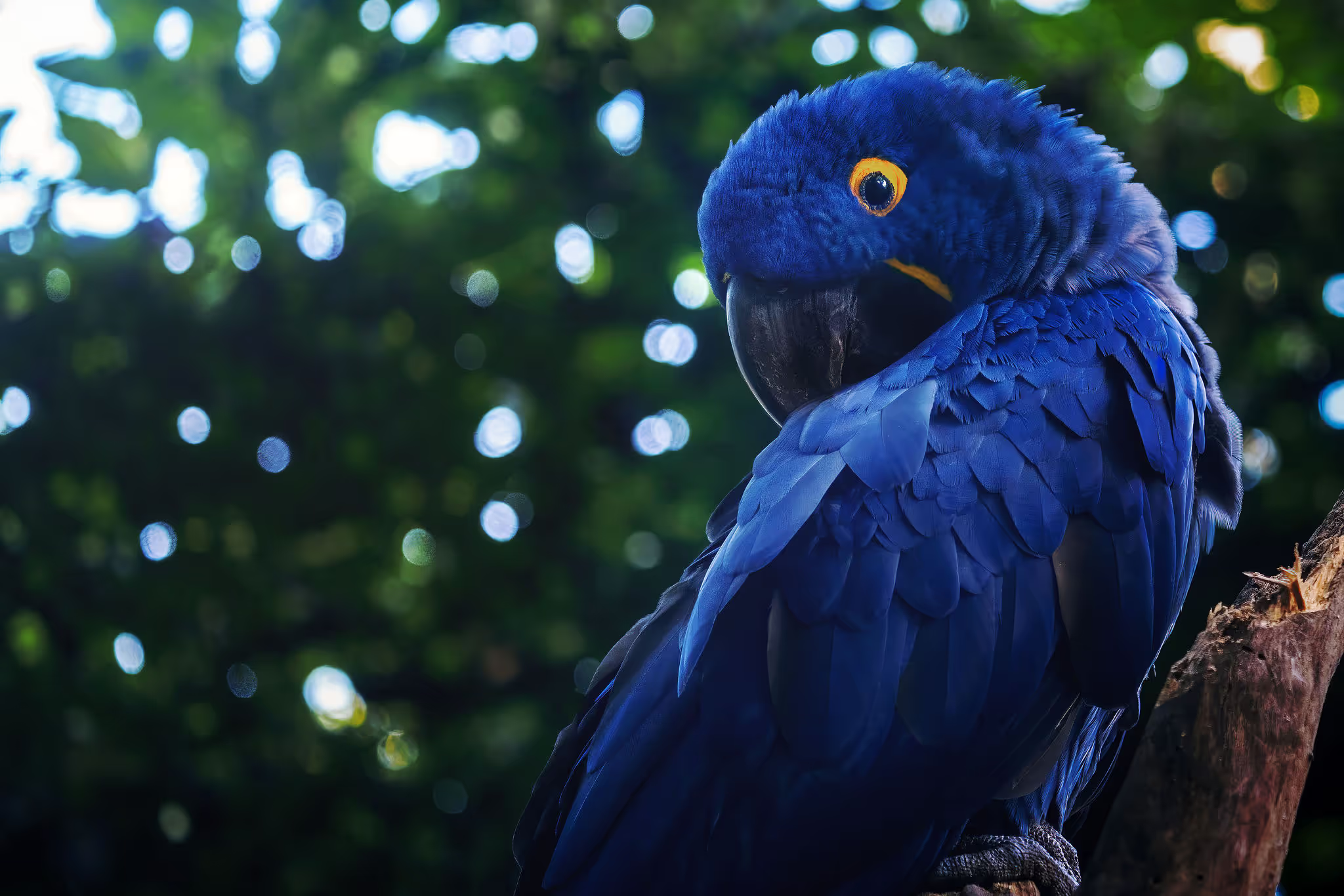
Help support our work in the Wildlife Sanctuary and Rescue Center. Donate by clicking the link below.
Minga is set between two of the most bio-diverse areas in Ecuador: Yasumi National Park and Sumaco National Park. It is a wildlife lover’s paradise–home to about 305 species of birds, 248 butterflies, 78 frogs, 72 reptiles and 62 mammals.
Copyright © Minga Lodge & Sanctuary